
Are vape concentrates PG or VG?
What are Vape Concentrates?
Definition and purpose of vape concentrates
Vape concentrates, also known as flavour concentrates, are highly concentrated flavoring liquids used to create vape juice, also referred to as e-liquid. These concentrates can be either PG-based (propylene glycol) or VG-based (vegetable glycerin), though for the most part, they are PG-based to provide a stronger throat hit and carry flavors more effectively.
The primary purpose of vape concentrates is to allow vapers to mix their own e-liquids, giving them the ability to customize their vaping experience. By mixing these concentrates with a PG/VG base, users can create their own unique blends tailored to their taste preferences and desired throat sensation. This DIY approach is not only cost-effective but also offers endless possibilities for experimenting with different flavor combinations and percentages.
Vape concentrates are versatile and used in various products beyond vaping, such as beauty products, foods, and even toothpaste. Whether you prefer a smoother throat hit with VG-based liquids or the intense flavor from PG-based mixes, vape concentrates provide the flexibility to suit your personal preference. Flavor concentrates contain only one or two of the key e-liquid components – food-grade flavorings and PG – and are used to create unique, DIY e-liquid flavors.
Types of vape concentrates (e.g., e-liquid, flavor concentrates)
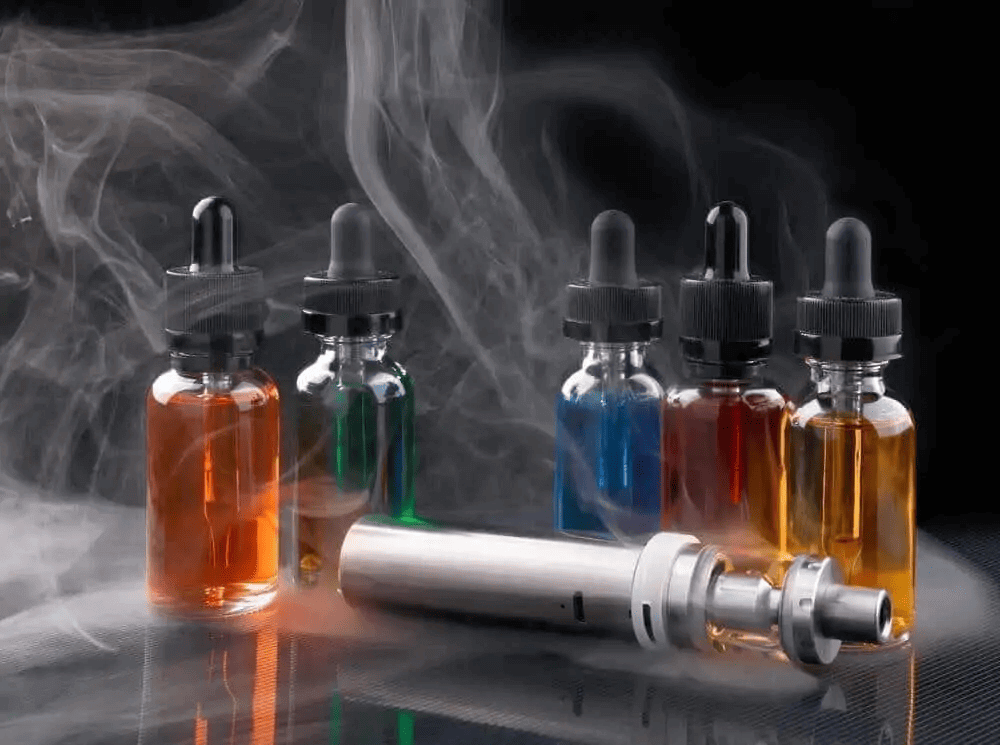
Vape concentrates come in various forms, each serving a unique purpose in creating vape juices, or e-liquids. These include e-liquid concentrates and flavor concentrates, which can be either PG-based (propylene glycol) or VG-based (vegetable glycerin).
E-Liquid Concentrates: These are pre-mixed bases that contain a blend of PG, VG, and nicotine. They provide a foundation for creating vape juices by adding flavour concentrates. E-liquid concentrates are convenient for those who want a straightforward mixing process.
Flavour Concentrates: These are highly concentrated flavoring agents used to impart specific tastes to vape juices. Flavour concentrates can be mixed with either PG or VG bases to create a personalized e-liquid. They are ideal for vapers who enjoy experimenting with different flavor combinations and adjusting the intensity of their vape juice.
Definition and uses of PG in vape juice
PG stands for Propylene Glycol, a petroleum by-product used to provide a ‘throat hit’ and carry flavor in e-juice.
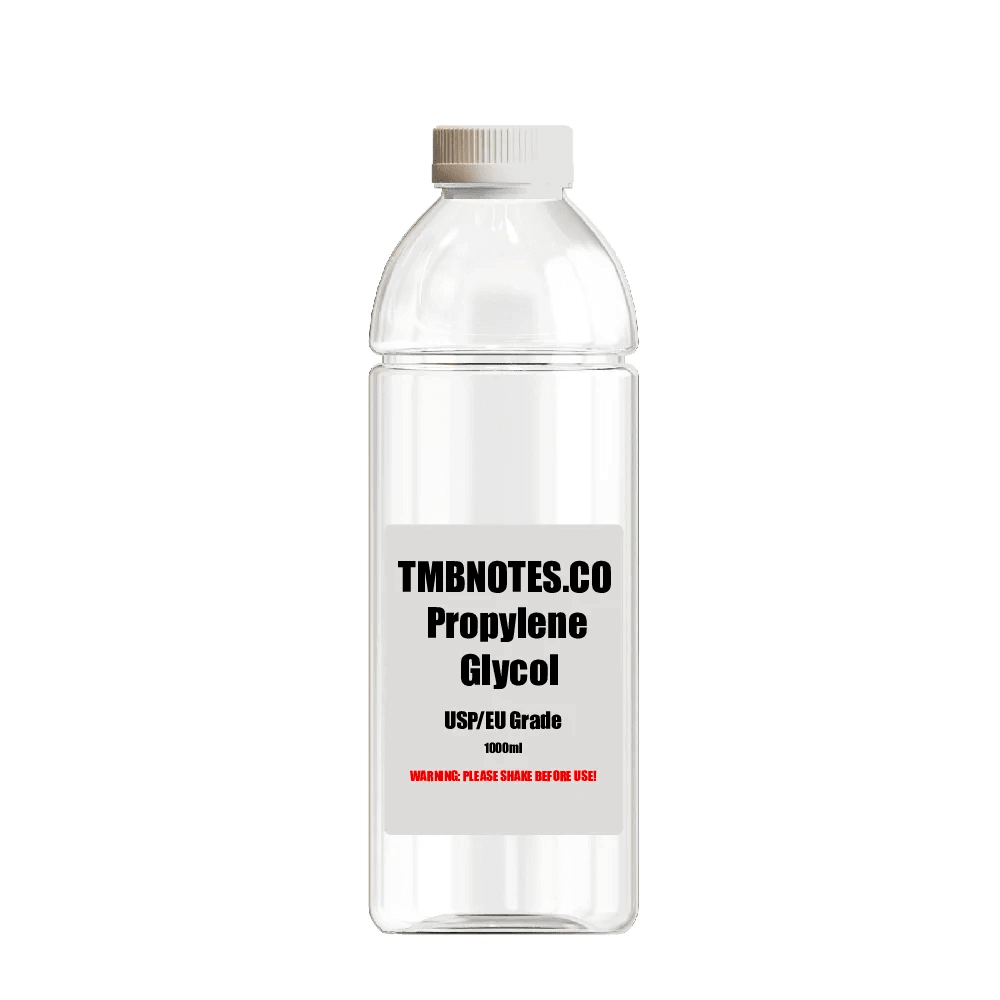
Propylene Glycol (PG) is a petroleum by-product used to provide a ‘throat hit’ and carry flavor in e-juice, PG is a synthetic organic compound commonly used in vape juices, also known as e-liquids. PG is colourless and odourless liquid that serves as a base in e-liquids to carry flavor and nicotine. It is known for its ability to provide a strong throat hit, similar to the sensation of smoking traditional cigarettes, making it a popular choice among vapers.
Uses of PG in Vape Juice
Flavor Carrier: PG is highly effective at carrying flavours, ensuring that the taste of the vape juice is pronounced and enjoyable. This makes it a key ingredient in flavor concentrates and e-liquids.
Throat Hit: One of the main reasons vapers prefer PG is its ability to deliver a stronger throat hit, which enhances the vaping experience for those seeking a sensation similar to smoking.
Mixing Agent: PG is used to dilute nicotine and flavor concentrates, creating a balanced mixture that is easy to vaporize. It blends well with vegetable glycerin (VG), allowing vapers to customize their PG/VG ratio to achieve their desired vaping experience.
Versatility: Beyond vaping, PG is used in various industries, including beauty products, foods, and pharmaceuticals. It is found in items such as toothpaste, creams, and certain foods due to its safe, non-toxic properties.
Safety concerns and precautions when using PG in vape juice
When using propylene glycol (PG) in vape juice, it's essential to consider safety concerns and take necessary precautions. While PG is generally recognized as safe for consumption by regulatory agencies, some individuals may experience mild side effects such as throat irritation or allergic reactions. To minimize risks, it's advisable to:
Choose Trusted Brands: Select vape juice brands known for their quality and adherence to safety standards. Check their website for information on ingredients and manufacturing processes.
Read Ingredient Labels: Prioritize vape juices that clearly list their ingredients, including flavorings and concentrates. Avoid products with undisclosed or vague ingredient information.
Monitor Usage: Pay attention to how your body reacts to PG-based vape juice. Some people find a high level of PG irritating to the throat, causing symptoms of dehydration, such as dry mouth, sore throat, and increased thirst. If you experience any adverse effects like throat irritation or discomfort, consider reducing your PG intake or switching to VG-based alternatives.
Stay Informed: Stay updated on safety guidelines and recommendations regarding PG usage in vape juice. Keep an eye on reputable sources for information on potential risks and precautions.
Consult Professionals: If you have specific health concerns or conditions, consult with healthcare professionals or specialists before using PG-based vape products. They can provide personalized advice based on your individual circumstances.
Definition and uses of VG in e-liquid
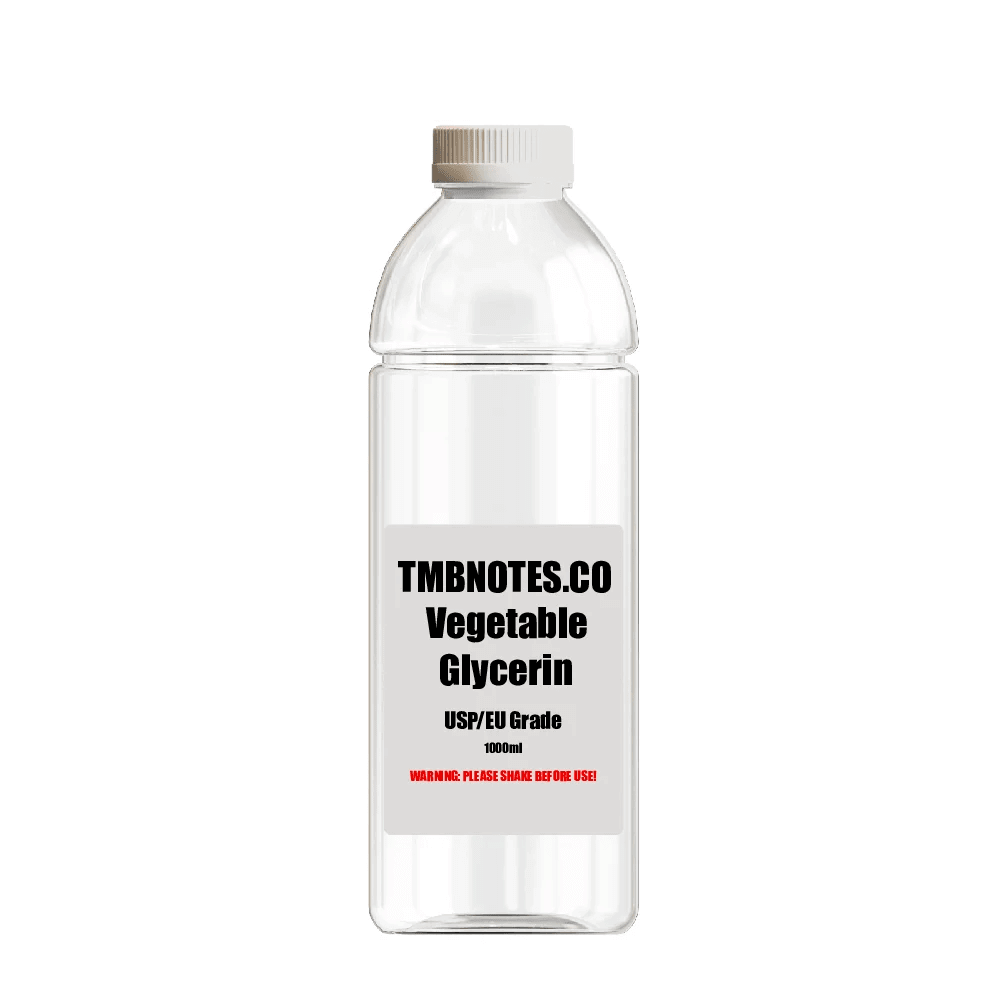
VG stands for Vegetable Glycerin, a natural chemical derived from vegetable oils used to give a ‘thick’ sensation to vapor. Vegetable Glycerin (VG) is a natural, colorless, and odorless liquid derived from vegetable oils. In e-liquids, VG serves as a primary ingredient alongside propylene glycol (PG), offering a thicker consistency and a slightly sweet taste. VG is commonly used as a base in e-liquids to dilute nicotine and flavor concentrates, allowing for the creation of vape juices with varying levels of sweetness and thickness. VG is thicker than PG and provides a denser vapor production, making it favored by vapers seeking a smoother throat hit compared to PG. Additionally, VG acts as a carrier for flavorings, enhancing the overall taste of the vape juice. Overall, VG plays a crucial role in the formulation of e-liquids, providing a versatile and enjoyable vaping experience.
Safety concerns and precautions when using VG in e-liquid
While Vegetable Glycerin (VG) is generally considered safe for consumption, there are some safety concerns and precautions to keep in mind when using VG in e-liquid:
Allergic Reactions: Although rare, some individuals may be allergic to VG. If you experience any adverse reactions such as skin irritation, rash, or difficulty breathing after vaping VG-based e-liquids, discontinue use and consult a healthcare professional.
Hydration: VG has hygroscopic properties, meaning it can absorb water from its surroundings. Vaping high concentrations of VG may lead to dehydration, so it's essential to stay hydrated by drinking water regularly, especially if you experience dry mouth or throat while vaping.
Temperature Control: When vaping with VG-based e-liquids, be mindful of the temperature settings on your device. VG has a higher viscosity than PG and may require higher temperatures to vaporize effectively. Excessive heat can lead to burnt flavors or even device malfunction, so adjust your settings accordingly.
Cleaning: VG residue can accumulate in vaping devices over time, potentially affecting performance and flavor. Regularly clean and maintain your device according to manufacturer guidelines to prevent buildup and ensure optimal vaping experience.
Storage: Store VG-based e-liquids in a cool, dry place away from direct sunlight and heat sources to maintain their quality and prevent degradation. Keep them out of reach of children and pets to avoid accidental ingestion.
- By being aware of these safety concerns and taking necessary precautions, you can enjoy the benefits of VG-based e-liquids while minimizing potential risks to your health and vaping experience.
Choosing the Right VG/PG Ratio for Your Vape Concentrates
Key differences between PG and VG in vape concentrates
Propylene Glycol (PG) and Vegetable Glycerin (VG) are two primary ingredients in vape concentrates, each with distinct characteristics that impact the vaping experience:
Consistency: PG is thinner and less viscous than VG, making it easier to handle and mix with other ingredients. VG, on the other hand, is thicker and more viscous, contributing to a smoother mouthfeel and denser vapor production.
Flavor Intensity: PG is known for its flavor-carrying capabilities, providing a more pronounced taste and throat hit. VG has a slightly sweet taste and can mute flavors to some extent, but it produces thicker clouds of vapor.
Compatibility: PG and VG can be used individually or in combination to create custom vape juice blends. The PG/VG ratio can be adjusted to achieve specific vaping preferences, such as flavor intensity, throat hit, and vapor production.
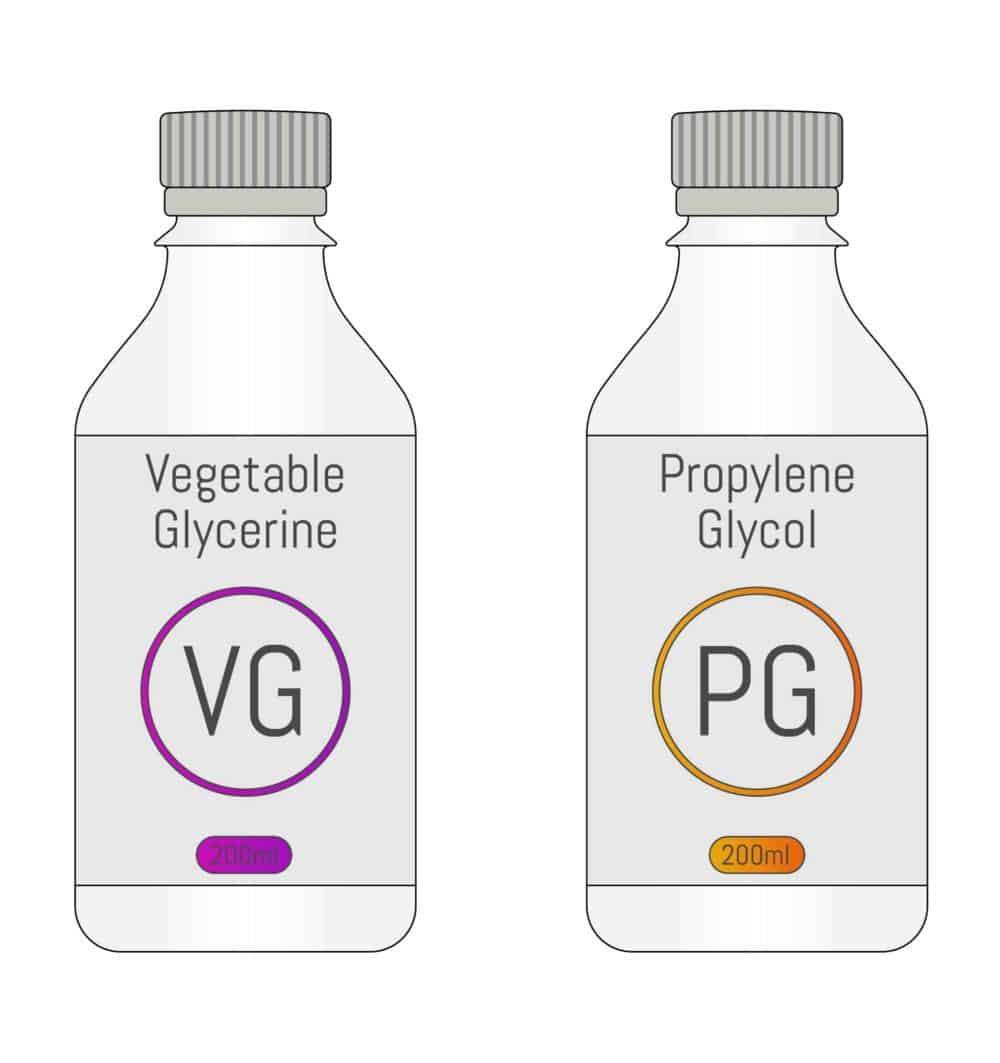
Factors to consider when selecting a VG/PG ratio
When choosing a Vegetable Glycerin (VG) to Propylene Glycol (PG) ratio for your e-liquid, consider your preferences for flavor intensity, throat hit, and vapor production. Higher VG ratios offer sweeter flavors and denser clouds, while higher PG ratios enhance throat hit and flavor clarity. Also, factor in device compatibility and any allergies or sensitivities you may have. Tailoring the VG/PG ratio to suit your preferences ensures a satisfying vaping experience.
Summary of key points and takeaways on PG and VG in vape concentrates
Propylene Glycol (PG) and Vegetable Glycerin (VG) are essential ingredients in vape concentrates, each offering distinct characteristics that influence the vaping experience:
PG Characteristics: PG is thinner, carries flavors effectively, and provides a stronger throat hit. It is preferred by vapers seeking intense flavor and sensation similar to smoking.
VG Characteristics: VG is thicker, produces denser vapor clouds, and has a slightly sweet taste. It delivers a smoother throat hit and is favored by cloud chasers and those with PG sensitivities.
Mixing Considerations: Vapers can adjust the PG/VG ratio to customize their vaping experience. Higher PG ratios enhance flavor intensity and throat hit, while higher VG ratios prioritize vapor production and sweetness.
Safety Precautions: While both PG and VG are generally safe for consumption, some individuals may experience allergies or sensitivities. It's essential to monitor your body's reaction and stay hydrated when vaping.
Experimentation: Finding the ideal PG/VG ratio is a matter of personal preference. Experimenting with different ratios allows vapers to tailor their e-liquids to match their taste preferences and vaping style.
- By understanding the key differences between PG and VG and considering individual preferences, vapers can create customized vape juices that deliver a satisfying and enjoyable vaping experience.
Check out our blog on more information on how to make e liquids.


