
Understanding the Risks of Terpenes: Exploring the Impact of Terpenes in Cannabis Products
Introduction
Terpenes are naturally occurring compounds found in various plants, including cannabis. They contribute to the distinct aroma and flavor profiles of different strains of cannabis. While terpenes offer potential benefits, it's crucial to be aware of their potential risks and understand how they interact with other compounds, such as cannabidiol (CBD), in cannabis products. In this blog, we will delve into the risks associated with terpenes, shedding light on the complexities and considerations surrounding their use.
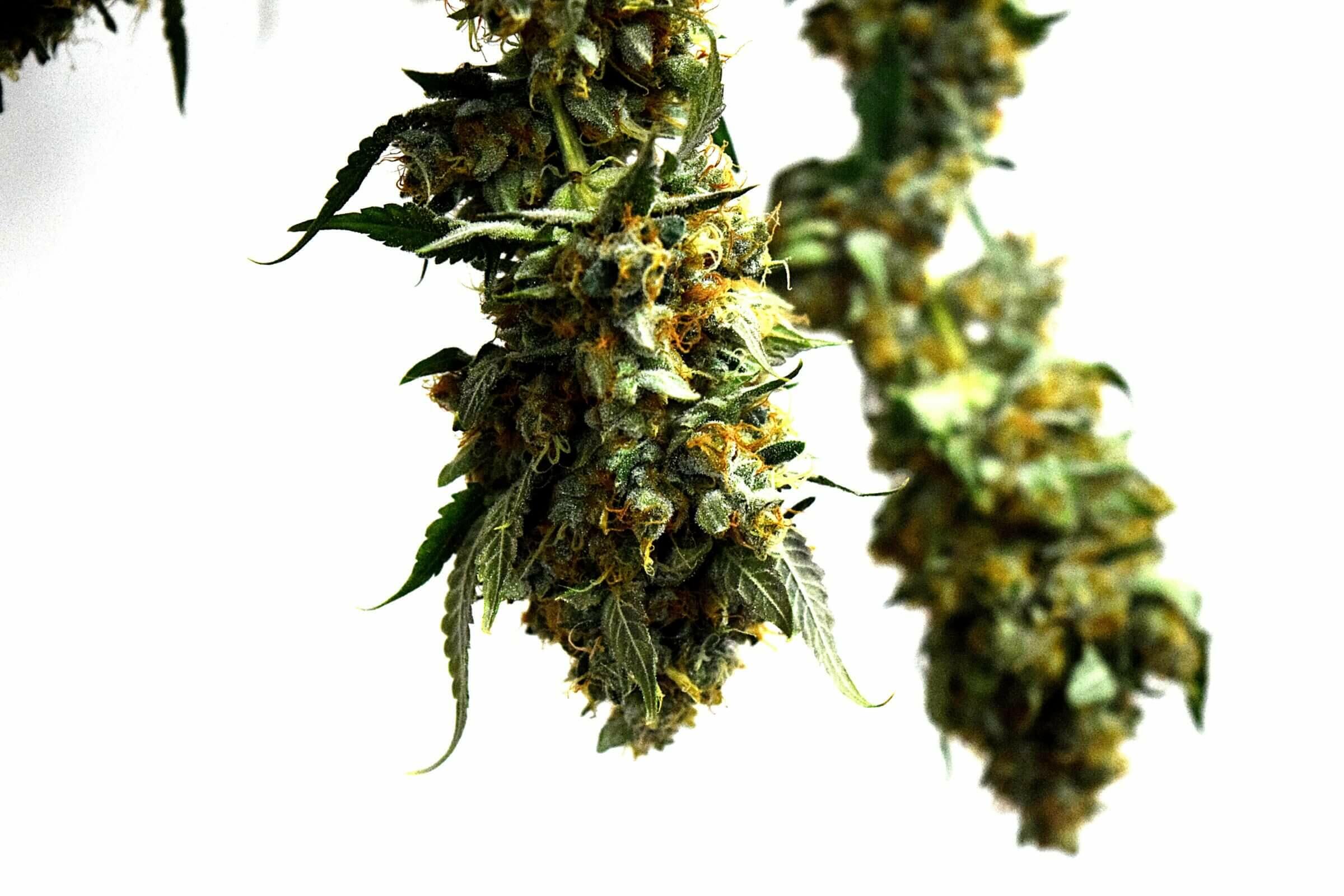
1. Terpenes and Cannabis
Terpenes are aromatic compounds present in cannabis and play a crucial role in its diverse effects. Over 100 different terpenes have been identified in various cannabis strains, each with its own unique scent and potential therapeutic properties. Common terpenes found in cannabis include myrcene, limonene, pinene, and linalool.
2. Adverse Reactions and Allergies
While terpenes are generally recognized as safe for human consumption, some individuals may experience adverse reactions or allergies when exposed to certain terpenes. Skin irritation, respiratory issues, and allergic reactions are possible side effects. If you're using cannabis or cannabis-infused products for the first time, it's recommended to start with small doses and observe any potential adverse reactions.
3. Interaction with CBD and Other Compounds
Terpenes work synergistically with other compounds in cannabis, such as CBD and tetrahydrocannabinol (THC). This interaction, known as the entourage effect, is believed to enhance the overall therapeutic potential of cannabis. However, it's important to note that individual responses may vary, and the effects of terpenes can be influenced by factors such as dosage, strain, and personal physiology.
4. Sensitivities and Sensory Overload
Some individuals may have sensitivities to certain terpenes, leading to sensory overload or discomfort. For example, the scent of certain terpenes may be overpowering or trigger headaches or nausea. It's advisable to research the terpene profiles of different strains and experiment with small amounts to determine which ones work best for you.
5. Regulation and Quality Control
The cannabis industry is subject to varying degrees of regulation and quality control standards in different regions. It's important to source cannabis products, including terpenes, from reputable and licensed producers who adhere to strict quality control measures. This ensures that the terpenes used are of high quality, free from contaminants, and accurately labelled.
6. Dosage and Moderation
Like any other substance, moderation is key when using terpenes. While terpenes are generally regarded as safe, excessive consumption may lead to adverse effects. It's essential to follow recommended dosage guidelines provided by reputable sources or consult with a healthcare professional experienced in cannabis use.

Conclusion
Terpenes play a significant role in the aroma, flavor, and potential therapeutic effects of cannabis. However, it is essential to be aware of the potential risks associated with terpenes, including adverse reactions, allergies, sensory overload, and the importance of quality control. By understanding these risks and considering individual sensitivities, users can make informed decisions when selecting cannabis products and optimize their experience. As with any health-related matter, consulting a healthcare professional is recommended for personalized advice and guidance.
Remember, education and responsible consumption are key to maximizing the benefits and minimizing the risks associated with terpenes and cannabis products overall. Check out our blog on more information on key facts on Terpenes.


