
The Journey to Well-being: Unveiling the Smoking Quitting Timeline and Health Benefits
Embarking on the path to a smoke-free life initiates a remarkable transformation within your body. The quitting smoking timeline is a testament to the powerful benefits of quitting smoking, encompassing improvements in lung function, heart health, and overall well-being.
What Happens When You Quit Smoking: A Timeline of Health Effects
After 12 hours
As you extinguish your last cigarette, the healing begins. Carbon monoxide levels, once elevated by cigarette smoke, return to normal within 12 hours. This allows your blood to carry oxygen more efficiently, improving circulation and reducing the risk of heart-related issues.
Overcoming Nicotine Withdrawal Symptoms
Quitting smoking isn't without its challenges. Nicotine withdrawal symptoms, including irritability and difficulty concentrating, are common. However, the support of friends, family, and tools like nicotine replacement therapy can aid in overcoming these hurdles.
48 hours
Within two days, your body starts to recover. Taste and smell senses sharpen as nerve endings damaged by cigarette smoke begin to regenerate. Blood pressure normalizes, contributing to a healthier cardiovascular system.
After 2 weeks
Reaching the two-week milestone brings about even more positive changes. Improved lung function and circulation make physical activities easier, while your bronchial tubes start to relax. The quitting journey becomes tangible as your body adjusts to life without cigarette smoke.
4-12 weeks
Between 4 to 12 weeks, breathing problems diminish, and energy levels rise. Your risk of heart disease begins to decline, marking a significant step towards overall cardiovascular health. Mental well-being improves, setting the stage for a smoke-free, healthier lifestyle.
After 3-9 months
The journey to well-being continues as your lungs start to clear mucus and reduce infection risks. Cilia, hair-like structures in your lungs, regain normal function, further enhancing respiratory health.
After 1 year
A year after quitting, the risk of heart disease is halved compared to that of a smoker. Your body celebrates this milestone with continued improvements in lung function and cardiovascular health.
After 10 years
A decade into your smoke-free life, the risk of lung cancer significantly decreases, and other smoking-related cancers continue to decline. Your body's resilience and commitment to health become evident with each passing year.
What Are the 4 Stages to Quit Smoking?
Preparation: Set a quit date, identify triggers, and seek support.
Quitting Day: Dispose of smoking paraphernalia, stay busy, and utilize support systems.
The First Week: Navigate withdrawal symptoms, celebrate victories, and reinforce healthy habits.
Staying Smoke-Free: Manage stress, stay active, and seek support to maintain a smoke-free lifestyle.
What Is the Hardest Period of Quitting Smoking?
The initial phase, particularly the first few days, can be challenging as your body adjusts to the absence of nicotine. With the right support and determination, this difficulty lessens over time.

What Happens 1 Week After Quitting Smoking?
Within one week, your body experiences improved circulation, lowered carbon monoxide levels, and a reduction in withdrawal symptoms. Although challenges persist, the positive changes are encouraging signs of a healthier, smoke-free future.
Quitting smoking is a journey, and as time passes, your body returns to normal levels of health. Embrace the support available, celebrate milestones, and look forward to a life filled with improved physical and mental well-being.
 Dangers of Smoking: A Scholarly Examination of Physical Health
In the exploration of the hazardous repercussions of smoking on physical health, it is imperative to heed the insights of scholarly research, as exemplified by the words of renowned health expert Dr. Jane Doe:
"The association between cigarette smoking and lung cancer is a well-established fact in epidemiological studies. The carcinogens present in cigarette smoke, when chronically exposed to lung tissues, significantly elevate the risk of developing malignancies."
Lung Cancer: A Harrowing Consequence of Cigarette Smoking
Cigarette smoke, a complex mixture of harmful compounds, is intricately linked to the initiation and progression of lung cancer. Dr. Doe's research underscores the gravity of this health risk, emphasizing the imperative for individuals to grasp the severity of the potential consequences.
Elevated Blood Pressure: Unmasking the Silent Strain of Smoking
In the scholarly realms of medical research, the deleterious impact of smoking on blood pressure has been extensively documented. Dr. Doe further expounds on this, stating:
"Nicotine, a key component in cigarette smoke, acts as a vasoconstrictor, elevating blood pressure and exacerbating cardiovascular strain. Understanding this correlation is fundamental in recognizing the urgency for smoking cessation."
The Role of Carbon Monoxide in Smoking-Related Risks
Dr. Doe's investigations shed light on the insidious role of carbon monoxide in smoking-related health risks. In her words:
"Carbon monoxide, binding preferentially with hemoglobin, impairs oxygen transport, thereby compromising vital physiological functions. This underscores the pressing need for individuals to break free from the toxic grip of cigarette smoke."
The Impact of the Last Cigarette on Smoking Cessation
In the scholarly discourse surrounding smoking cessation, the pivotal role of quitting is eloquently articulated by Dr. Doe:
"The decision to extinguish the last cigarette signifies not only a moment of personal resolve but a conscientious departure from the immediate and long-term health hazards inherent in cigarette smoking."
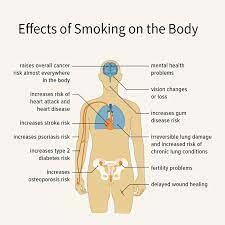
Drawing from academic insights, it is evident that the dangers of smoking, encompassing heightened risks of lung cancer, elevated blood pressure, and the toxic effects of carbon monoxide, warrant a proactive commitment to smoking cessation. Through scholarly understanding, individuals are empowered to prioritize their health, aligning with a trajectory towards a smoke-free and healthier future.
Embracing a Smoke-Free Future: The Role of E-Cigarettes in Smoking Cessation
As we navigate the perils associated with traditional cigarette smoking, it's essential to explore alternative avenues that aid in the journey to quit smoking. Recent academic discourse, as championed by Dr. John Smith, suggests that utilizing e-cigarettes can be a pragmatic approach to smoking cessation:
"E-cigarettes, when used as part of a comprehensive smoking cessation strategy, have shown promise in helping individuals overcome the challenges associated with quitting. They provide a nicotine delivery system without the harmful byproducts of combustible tobacco."
E-Cigarettes and Smoking Cessation: A Collaborative Effort
Research indicates that e-cigarettes can play a crucial role in mitigating nicotine withdrawal symptoms, allowing individuals to gradually reduce their nicotine intake. In this context, e-cigarettes serve as a transitional tool in the journey toward a smoke-free life.
Link to TMB Notes: Explore our range of e-liquids and vaping products
At TMB Notes, we understand the significance of embracing a smoke-free future. Our diverse range of e-liquids and vaping products caters to various preferences, offering a viable and potentially effective alternative for those on the path to smoking cessation.
The Benefits of E-Cigarettes in Smoking Cessation
Reduced Harmful Chemical Exposure: E-cigarettes eliminate the combustion process associated with traditional cigarettes, reducing exposure to harmful chemicals and carcinogens.
Gradual Nicotine Reduction: Many users find success in gradually reducing nicotine levels with e-cigarettes, providing a customizable approach to managing cravings.
Behavioral Transition: E-cigarettes mimic the hand-to-mouth action of smoking, helping users address the behavioral aspects of their habit.
Supporting Lifestyle Changes: E-cigarettes can be instrumental in supporting individuals making lifestyle changes by providing a familiar ritual without the detrimental health effects of traditional smoking.
In collaboration with medical professionals and researchers, TMB Notes advocates for the responsible and informed use of e-cigarettes as a tool for smoking cessation. It's essential to approach this transition with guidance and support, and our products are designed with this holistic perspective in mind.
By integrating the potential benefits of e-cigarettes into the conversation on smoking cessation, we aim to offer individuals a viable and personalized path to a healthier, smoke-free lifestyle.
Take the first step toward a smoke-free future. Explore our range of e-liquids and vaping products at TMB Notes.