
Does glycerine raise blood pressure?
Introduction
Glycerine is a natural component of various foods. It's also used in many sweetened products and cosmetics. Glycerine is known to raise blood sugar, but does it affect blood pressure? In this blog we will look at studies being carried to examine the impact of glycerine on blood pressure.
Glycerine is a natural component of various foods
Glycerineis a natural component of various foods. It's also produced by your body and used in many personal care products, such as lip balm and lotions. Glycerine is even added to some foods for its sweet taste and texture.
However, when it's in large amounts, glycerine can cause an increase in blood pressure levels.
The American Heart Association links glycerine to high blood pressure
Glycerine is a sweetener that can be found in foods, cosmetics and personal care products. It's also used in medicines.
Glycerine helps balance the body’s water content and prevent dehydration. It’s often found in skin lotions because it draws moisture to the skin and softens it.
You may see glycerine on food labels if a product has been made with or contains mushrooms and vegetables that have natural sugars (like tomatoes or potatoes)
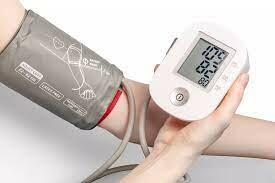
On its own, glycerine does not affect blood pressure
Glycerine is a natural component of various foods, including vegetables and fruits. It's also used in cosmetics and personal care products as an emollient (a substance that softens the skin or hair) and humectant (a humectant helps to retain moisture).
When it comes to blood pressure, glycerine has been shown to have no effect on blood pressure on its own. The reason for this is because there are no known receptors in the body that recognize glycerine as an active compound for controlling blood pressure levels. If someone takes too much glycerin orally—typically more than 1 tablespoon—they may experience gastrointestinal discomfort from vomiting or diarrhoea. However, these side effects may not be due directly to the absorption of glycerine into their bodies: instead they could be caused by irritants added during production or storage processes of food products containing glycerine such as bakery items like cakes which may contain preservatives such as sodium benzoate.
However, it does have other effects on the body and health
Although glycerine doesn't directly raise blood pressure, it does have other effects on the body and health.
Glycerine can cause digestive issues such as bloating, gas, diarrhea or constipation. It's often found in foods that are already high in sugar like cookies and candy bars to help them stick together better (and taste sweeter!). When you eat a lot of these foods, glycerin causes excess gas production which can make you feel bloated or uncomfortable. In addition to making you feel bad for a few hours after consuming these products; high amounts of sugar may even lead to long-term health problems like diabetes mellitus type 2 if eaten regularly over time.
Glycerine also has been known to cause headaches when consumed excessively by sensitive individuals—especially those who suffer from migraines due to their sensitive gastrointestinal tracts reacting negatively towards certain foods like dairy products or soy beans which contain high levels of sodium chloride content due to processing methods used during manufacturing processes before selling them at supermarkets around town!
Some people are allergic or intolerant towards certain ingredients present within cosmetics such as sunscreens containing vitamin A derivatives called retinal palmitate while others may react negatively towards certain ingredients found within mouthwashes containing sorbitol due its laxative effects when used over long periods without proper precautions taken beforehand so they don't become dehydrated during use.
Glycerine consumption has other health benefits and risks, but it does not directly affect blood pressure
Glycerine is a natural component of various foods, including meat and dairy products. It's also used as a sweetener in many foods, including baked goods. Glycerin can be found in some medications, such as cough syrups and topical medications that are applied to the skin to treat pain or itching.
Glycerine is not considered an essential nutrient by the U.S. Food and Drug Administration (FDA). It isn't necessary for survival like other essential nutrients such as proteins and carbohydrates because we can get enough glycerin from our diet or make it ourselves when we break down fat during digestion.
Conclusion
Glycerine is a natural component of various foods, including some fruits and vegetables. However, the American Heart Association links glycerin to high blood pressure. On its own, glycerin does not affect blood pressure; however, it does have other effects on the body and health. For example, glycerin consumption has been shown to lead to weight loss in some cases because it can act as an appetite suppressant when consumed in small amounts over time (1). In addition, consuming large amounts of glycerin at one time may result in stomach upset or diarrhoea due to bloating caused by increased gas production (2). It's important to note that factors such as diet, overall nutrition, and lifestyle play more substantial roles in blood pressure regulation. For example, diets high in sodium, low in potassium, and lacking in fruits and vegetables can contribute to elevated blood pressure. For more information on VG see our blog.